Modular LFP battery
32–64 battery modules with CALB 314 Ah cells, 100% usable SOC and a three-level HIS BMS.


The containerized 800V battery storage system combines 1,672–3,344 kWh of installed capacity with 800–1,600 kVA of AC power, integrated power conversion systems and intelligent energy management—engineered for new and existing solar farms.
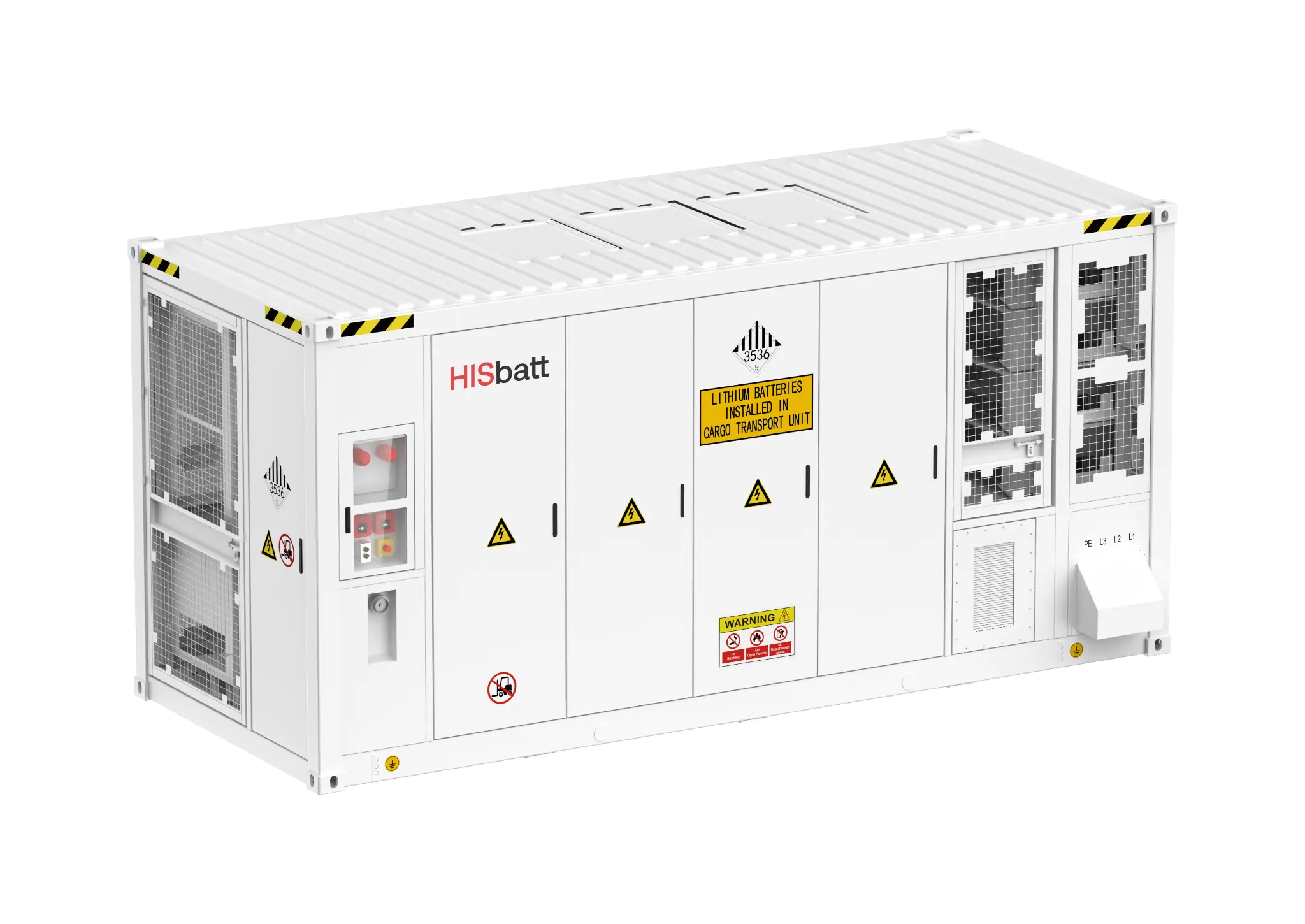
Many high-output solar projects operate with an 800V low-voltage busbar. The PowerPack 800V delivers its AC power directly at 800 VAC, making it particularly suitable for integration into appropriately designed new and existing projects.
At the same power level, a higher AC voltage means lower current than at lower voltage levels. Depending on the project, this can reduce parallel conductors, cable losses and integration effort. The final design, including the medium-voltage transformer, remains project-specific.
Pre-assembled system components and a modular architecture simplify engineering, transport, commissioning and service.
32–64 battery modules with CALB 314 Ah cells, 100% usable SOC and a three-level HIS BMS.
Four to eight modular CPS ECB200KTL power conversion units deliver a total of 800–1,600 kVA at 800 VAC.
HISenergyflow coordinates operating strategies such as self-consumption, energy arbitrage, peak shaving and multi-use.
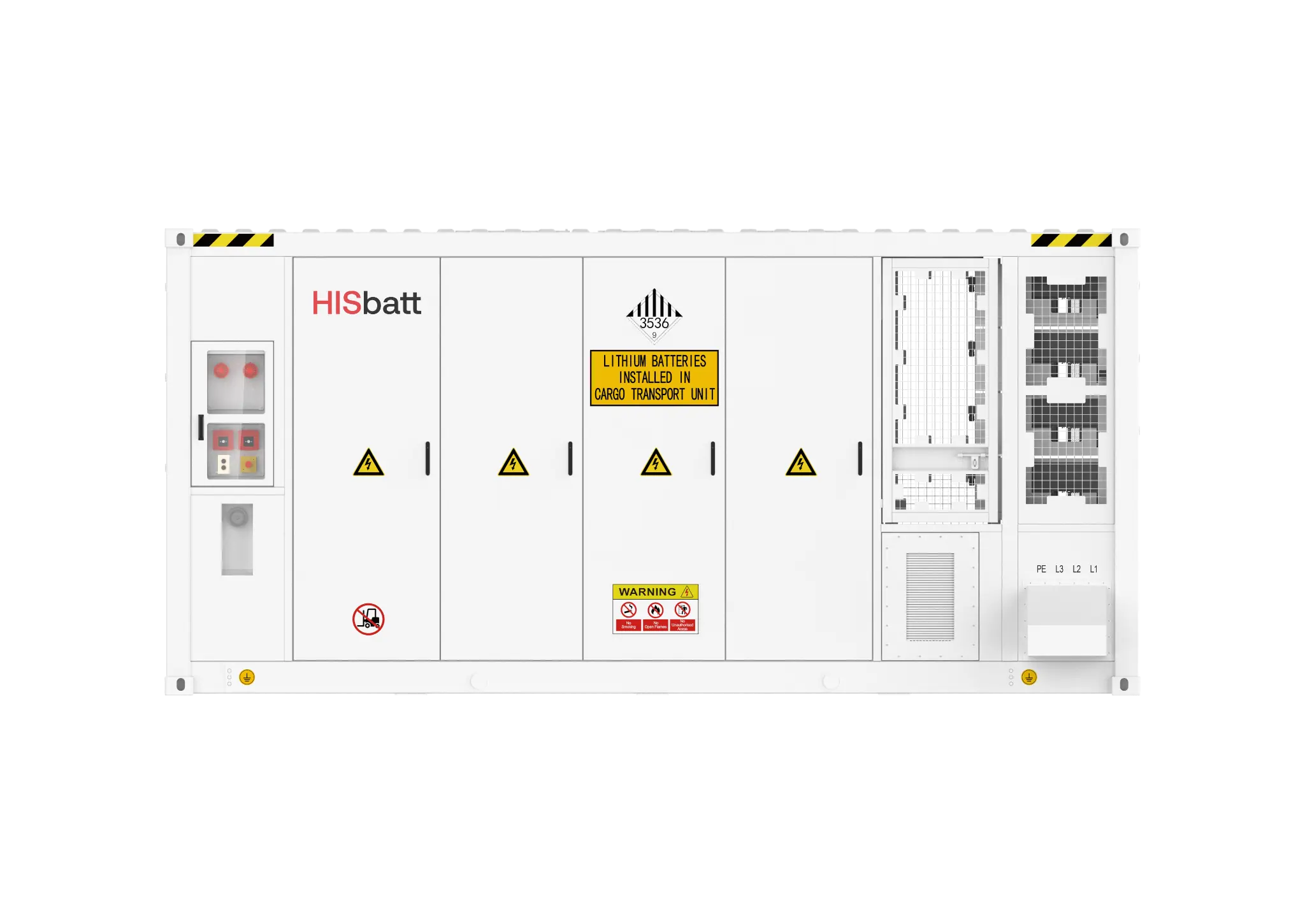
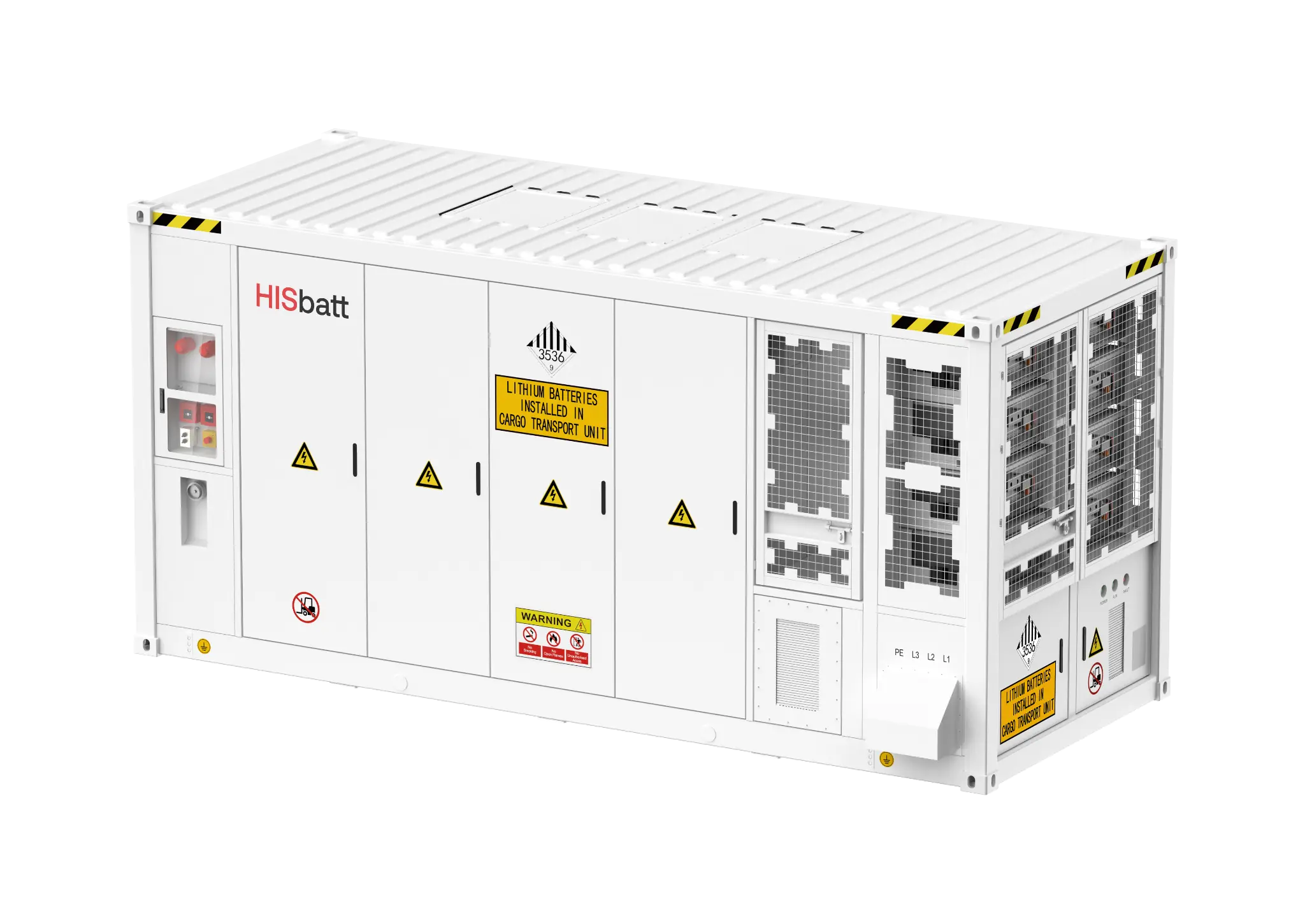
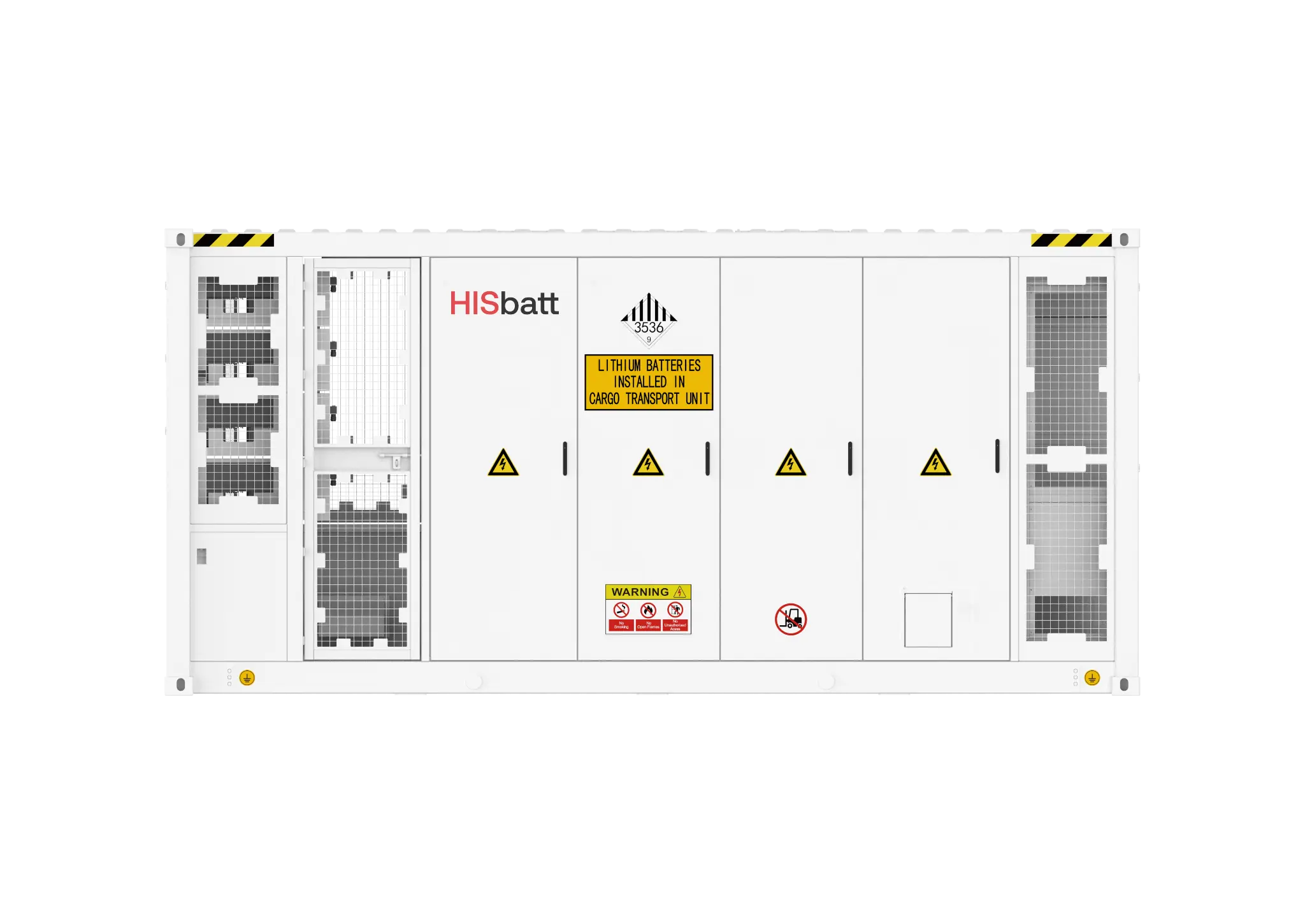
Closed water-glycol circuit: The coolant transfers heat from the battery modules to the cooling unit. A separate refrigerant circuit dissipates it to the environment through the heat exchanger and condenser; both media remain fully separated.
At low temperatures, the same thermal circuit can provide controlled heating. Temperatures are monitored continuously; if values deviate, the BMS can limit power or initiate independent protection measures.
Protection at module, cluster and system level: The M-BMS monitors cell voltage and temperature and supports active balancing. The C-BMS evaluates cluster conditions, calculates state of charge and can independently isolate an affected battery pack.
The A-BMS coordinates the complete system, records events and provides operating states, alarms and power limits to the PCS, EMS and higher-level plant controls.
For more information, see the HIS energy management system, the description of HISbatt battery and BMS technology, and our applications for commercial, industrial and solar-farm projects.
For new and existing solar farms, an 800 VAC battery storage system is particularly attractive when the busbar, transformer and protection concept are already designed for this voltage level. At the same apparent power, doubling the AC voltage theoretically halves the conductor current.
At 1,600 kVA, the calculated current is approximately 2,309 A at 400 VAC and approximately 1,155 A at 800 VAC. The lower current can reduce parallel cable runs, cable losses, copper use and low-voltage distribution effort. Whether 800 VAC is technically and economically optimal is evaluated for each project based on cable lengths, transformer, protection, selectivity, grid connection and PCS operating range.
| AC voltage | 400 VAC | 800 VAC |
|---|---|---|
| Theoretical conductor current | ca. 2,309 A | ca. 1,155 A |
| Typical project impact | Higher current and often more parallel conductors | Lower current and potentially less cabling effort |
| Suitable infrastructure | 400V busbar and suitable transformer | 800V busbar and suitable transformer |
These values provide technical guidance. The binding design is always based on the specific grid and plant concept.
| Model | HISbatt-3344-08-08-C05-L |
|---|---|
| Installed capacity | 1,672–3,344 kWh |
| Battery voltage | 1,040–1,498 V DC |
| Charge/discharge rate | 0.5 C / 0.5 C |
| Usable SOC | 100 % |
| Rated AC power | 800–1,600 kVA |
| AC output | 800 VAC, three-phase, 50 Hz ± 5 Hz |
| Maximum PCS efficiency | 98 % |
| Communication | Ethernet / Modbus RS485 |
| Design life | 20 Jahre |
Values based on the German product data sheet; subject to model configuration and project engineering.
The system combines electrical protection functions, condition monitoring and independent fire suppression. If a single unit fails, the modular PCS architecture limits the power loss to the affected unit.
The concept for integration into existing 800V infrastructure has already been featured by independent energy publications.
It refers to the three-phase AC output voltage of 800 VAC. Depending on the state of charge, the internal battery voltage ranges from 1,040 to 1,498 V DC.
Depending on the configuration, the system provides 1,672–3,344 kWh of installed capacity and 800–1,600 kVA of rated AC power.
Yes, especially when a suitable 800V AC busbar is available. However, the connection concept, protection system, transformer and grid requirements are always evaluated for the specific project.
HISenergyflow supports strategies including self-consumption optimization, peak shaving, energy arbitrage, direct marketing, ancillary services and combined multi-use operation.
Four to eight modular PCS units and modular battery modules provide redundancy. If a single component fails, the unaffected part of the system generally remains available; the exact operating response depends on the type of fault and system configuration.
HIS Technology GmbH supports system design, interface coordination and project integration through the HISbatt | HIS Technology brand. Your contact is Ahmed Zahoor.
At the same apparent power, doubling the AC voltage theoretically halves the conductor current. At 1,600 kVA, the current is approximately 1,155 A at 800 VAC compared with approximately 2,309 A at 400 VAC. This can reduce cable losses and low-voltage distribution effort. The final design remains project-specific.
At minimum, we need the grid connection capacity, existing AC voltage level, transformer and protection concept, required battery power and capacity, cable lengths, and the planned operating models such as PV hybridization, energy arbitrage or ancillary services.
The 800V AC interface is connected to the grid through a project-specific medium-voltage transformer and the required switchgear and protection equipment. Plant controller, grid protection, metering concept and communication interfaces are coordinated with the grid connection design.
Send us your grid connection capacity, existing voltage level, required capacity and planned use case. We will assess the appropriate configuration. Alternatively, start our Project Quick Scan.
HIS Technology GmbH · HISbatt | HIS Technology
Ahmed Zahoor · sales-renewables@his-technology.com


